How to Choose the Right DMX Cable for Your Lighting Setup
How to Choose the Right DMX Cable for Your Lighting Setup
DMX cables are designed in accordance with the ANSI E1.27-1 and ANSI E1.11 standards for entertainment technology. Lighting technicians use these stage cables to connect LED fixtures and control stage lighting signals. So many types of DMX cords available on the market today. This blog will explain how to choose the right DMX cable for your lighting setup.
1. Choose Between 3-Pin and 5-Pin DMX Cables
3-Pin DMX vs. 5-Pin DMX
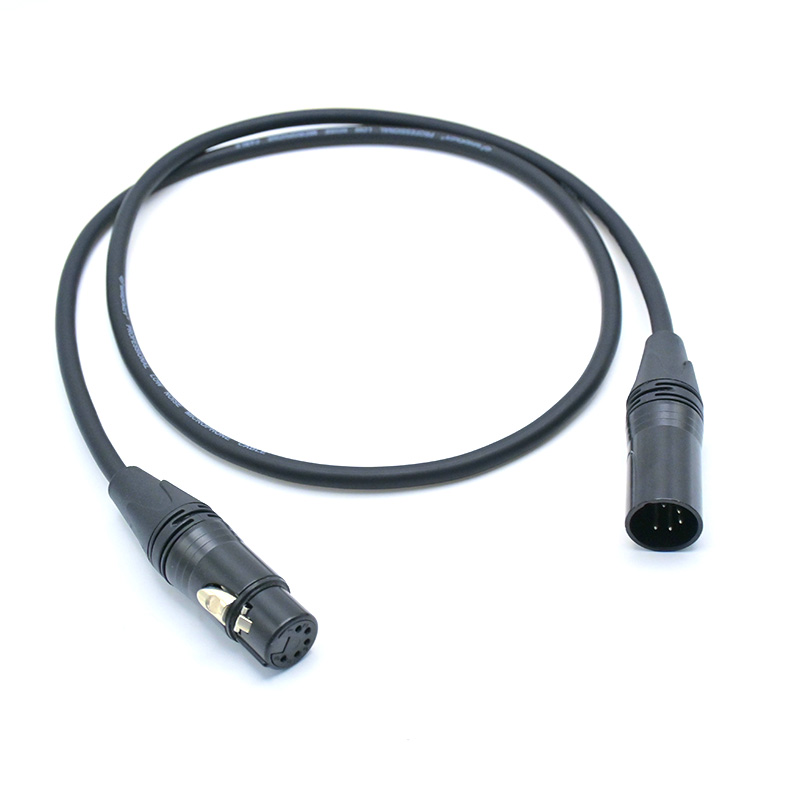
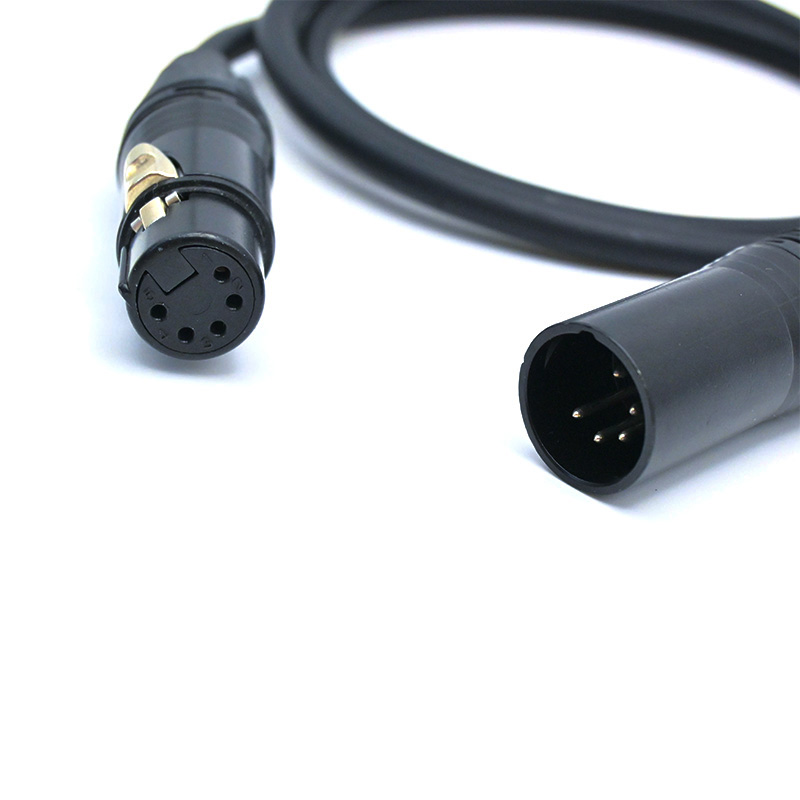
DMX cables were originally designed to use 5-pin XLR connectors. The pin configuration is as follows:
5-Pin XLR
- Signal Common
- Data 1- (Primary Data Link)
- Data 1+ (Primary Data Link)
- Data 2- (Optional Secondary Data Link)
- Data 2+ (Optional Secondary Data Link)
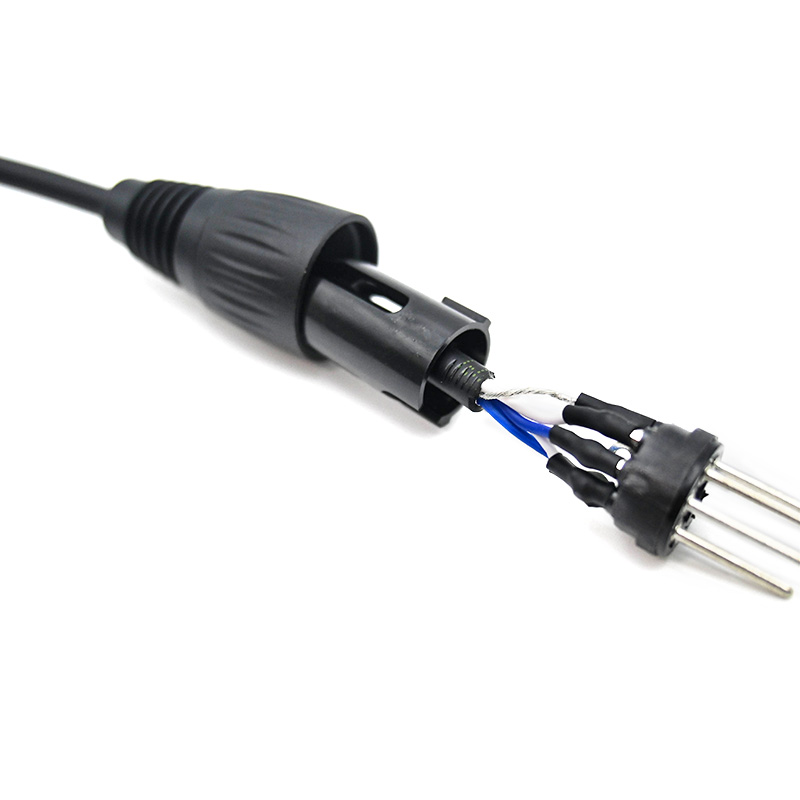
As we can see, pins 4 and 5 are “optional.” For most devices, pins 1, 2, and 3 are sufficient. Therefore, for practical reasons, many lighting equipment manufacturers use 3-pin XLR connectors. The pin configuration for a 3-pin XLR is as follows:
3-Pin XLR
- Ground
- Data 1-
- Data 1+
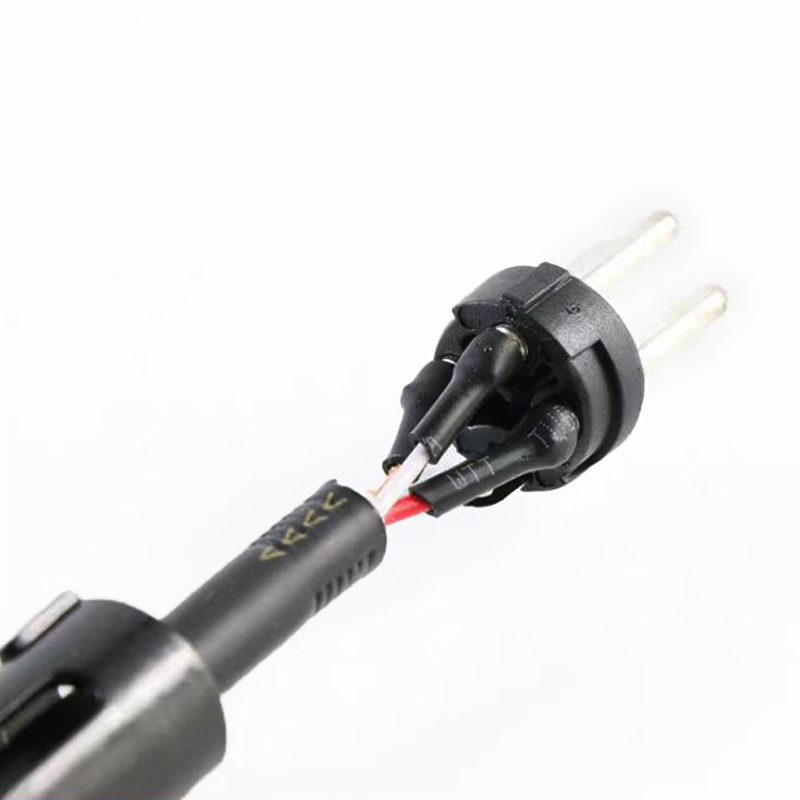
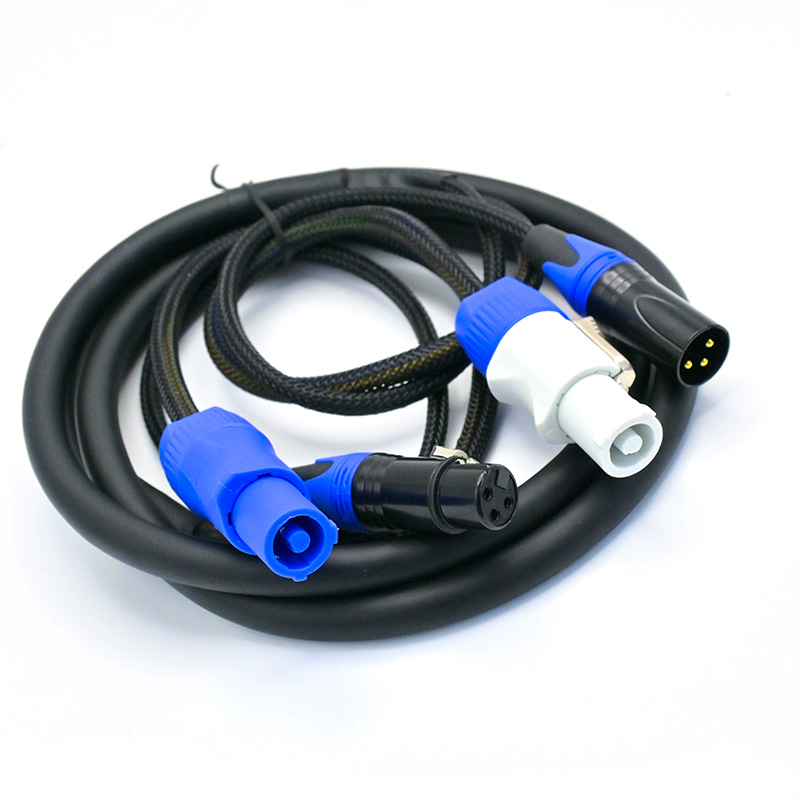
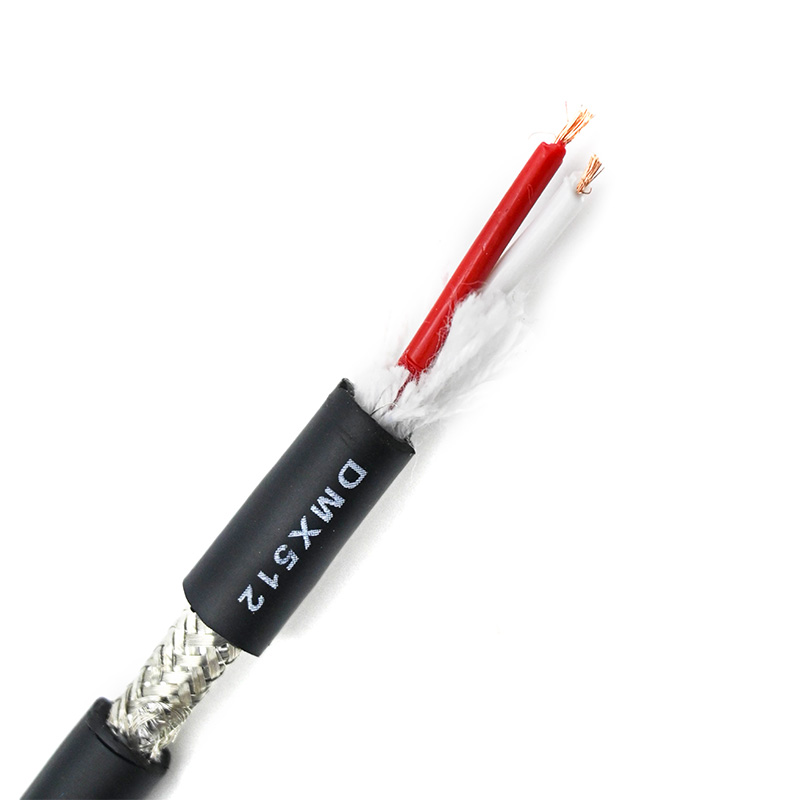
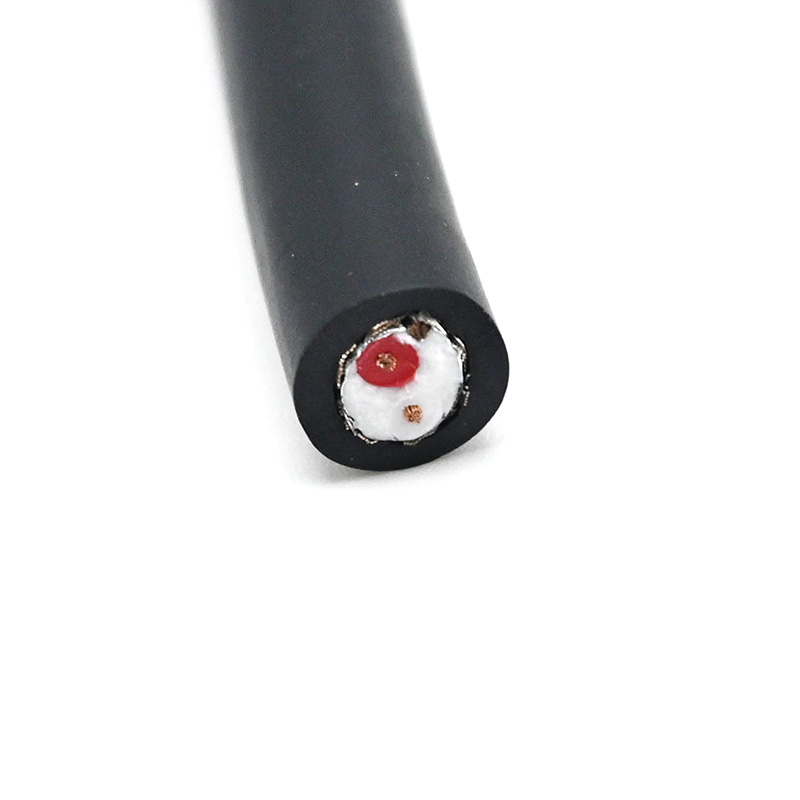
#Of course, some devices do require a Data 2 link. In these cases, you must pay close attention when buying the right cable. You need to purchase a 5-pin, 2-pair DMX cable or a 4-core DMX cable.
This is because “1-pair” means there is only one pair of data wires—namely, DATA1. So DATA2 doesn’t connect, and the corresponding functionality won’t be available.
Many sellers of 5-pin DMX cables on the market currently offer 1 twisted pair DMX cables. This is because it reduces costs and meets the needs of most customers. If you require a 2-pair DMX cable, it’s best to contact the store’s customer service to confirm before purchasing.
2. Do You Need a 110-Ohm DMX Cable?
When it comes to DMX wires, the first thing that comes to mind for professional lighting designers is the value of 110 ohms. In fact, the relevant standard for DMX cables, ANSI E1.27-1, specifies a range of 110 ohms to 120 ohms.
The 110-ohm figure originates from the specifications for European AES-3 cables. In brief, 110 ohms performs better than 120 ohms, both for installation and performance. For more details, please refer to Cable Impedance in this article I wrote previously.
So, does every connection cable need to be 110 ohms?
Actually, I don’t think you need to focus too much on this value. Still, 110 ohms is better if your budget allows.
If not long cable runs, cable characteristic impedance from 100 ohms to 120 ohms is acceptable. They won’t make a significant difference. However, when connecting lighting fixtures over longer distances, please opt for 110 ohms to prevent signal reflections.
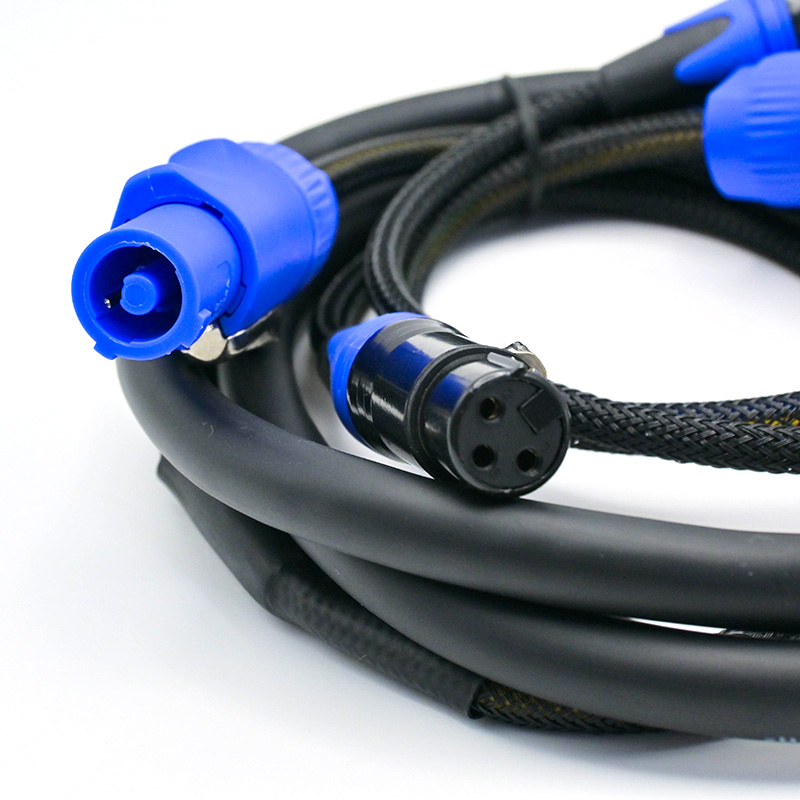
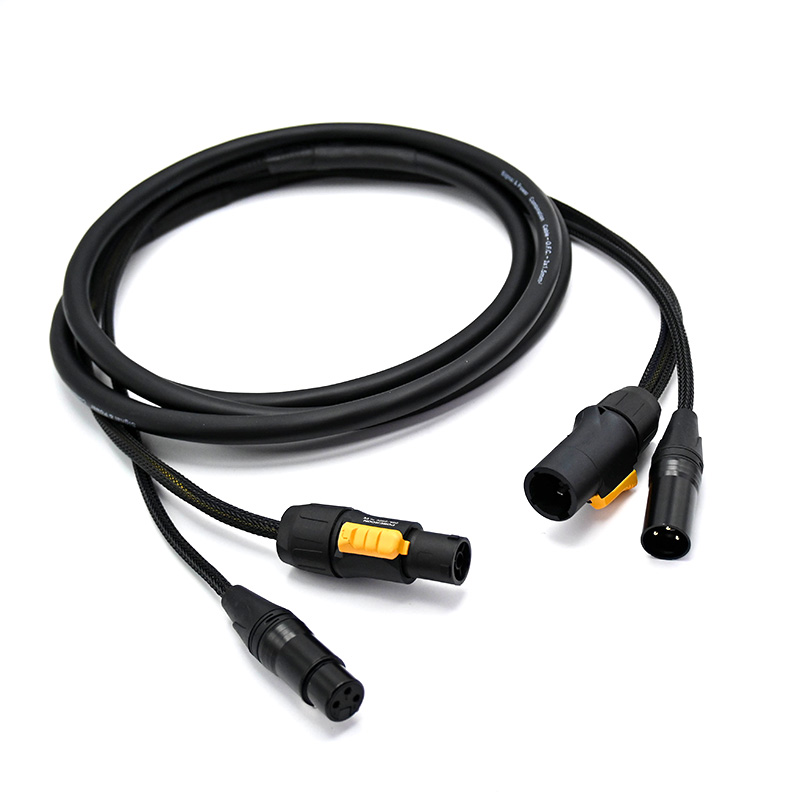
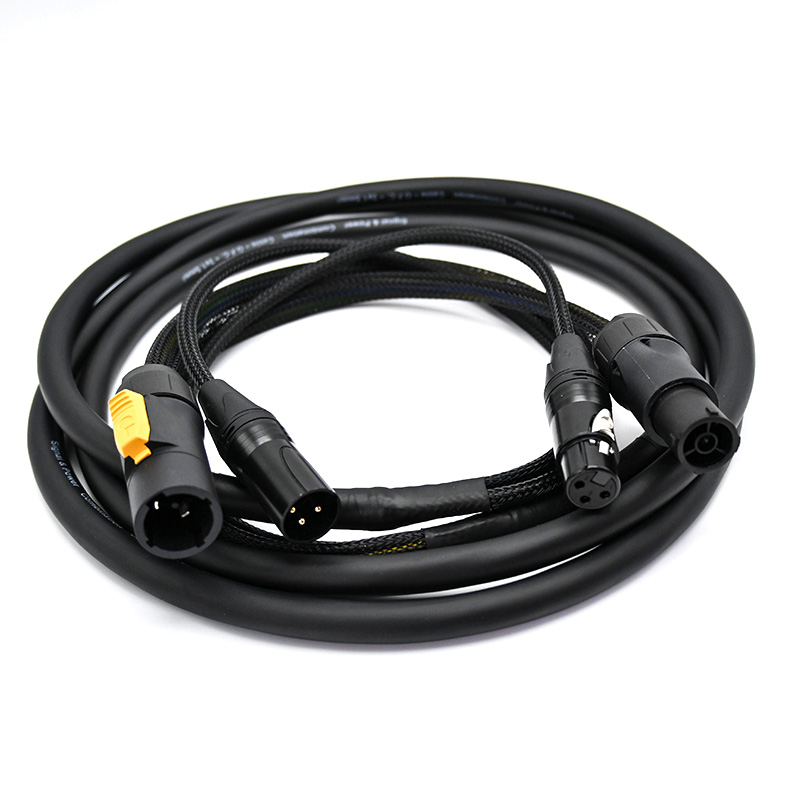
Normally, 3 pin 110-ohm DMX cables and 5-pin single-pair DMX cables are relatively affordable. In contrast, 5 pin dual-pair DMX cables or DMX Powercon combo cables are much more expensive. This is because the many conductors in these cables can cause signal interference. It can be hard to reach the 110-ohm impedance.
3. What Type of DMX Cable Do You Need?
Many people may think that the “type” of DMX cable simply refers to the difference between 3-pin and 5-pin cables. In fact, the structural design of DMX cables can also vary depending on your specific application.
Permanent Installation
For permanent setups, like stadium lights and electronic billboards, LSZH DMX cables are usually better than standard ones. This type of DMX cable is fairly stiff. It is not ideal for touring or DJ use. However, this is not a major issue for semi-permanent installations.
Contractors care more about safety issues. For example, in a fire, could this cable release toxic gases? Could those gases cause the fire protection system to miss standards? Is the flame-retardant rating of this cable sufficient to provide people with more time to escape?
Shallow-Water Diving Environments
Furthermore, in shallow-water diving environments, DMX cables made of TPU perform better. TPU DMX cables are UV-resistant and hydrolysis-resistant. If your DMX cable will be in prolonged contact with water or submerged during a performance, please choose a cable made of this material.
General Performance Events
Finally, for selecting DMX cable types for general performance events, choose a highly elastic, flexible DMX cable. These cables have a smaller outer diameter and are highly flexible, making them easy to route and install.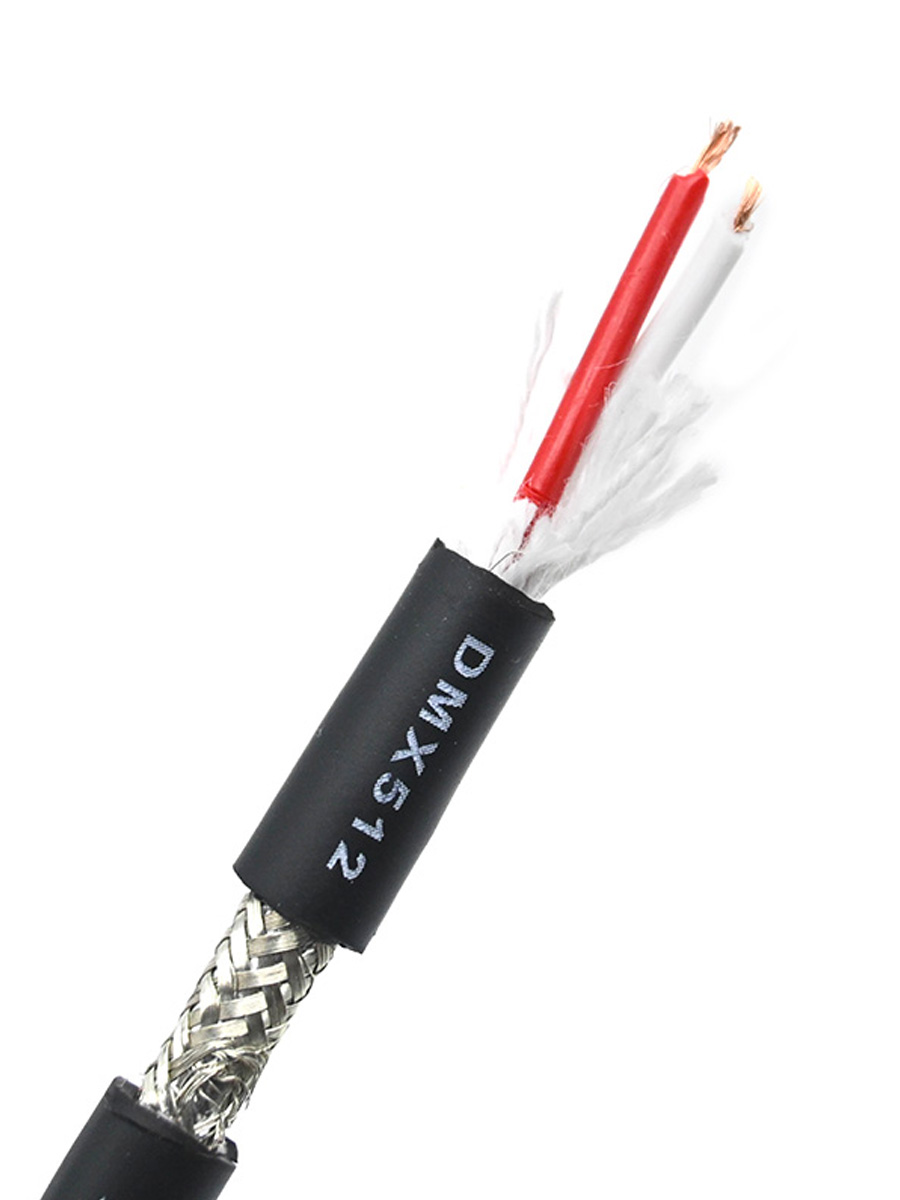
4. Can You Use a Regular XLR Cable for DMX?
A regular XLR cable cannot replace a DMX cable. The characteristic impedance of an XLR cable is typically only around 45–75 ohms, which is significantly different. This cannot guarantee the reliable transmission of lighting signals.
I’ve discussed the specific differences between XLR cables and DMX cables in a previous article.
5. Additional Custom Heat Shrink
A single performance involves a vast number of lighting cables. Therefore, color-coding or numbering each cable becomes particularly important.
If you’re ordering large quantities, ask your supplier about custom logo printing and heat shrink tubing services. This can help you organize your cabling better. For rental companies, it can help prevent cable theft.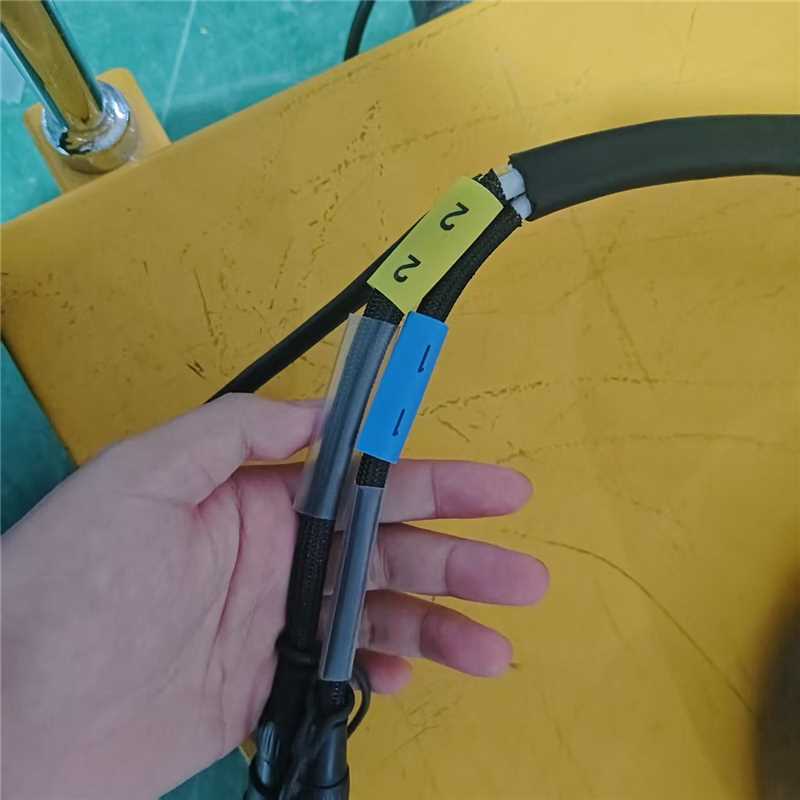
Conclusion
The DMX512 lighting control standard is widely used in lighting systems, effects controllers, fog machines, and other devices. The operating environments these cables face are becoming increasingly diverse and complex.
TOURYCABLE has many years of experience in the production and design of DMX lighting control cables. From cable sheaths to custom heat-shrink tubing, we can meet many stage performance and LED installation needs.
If you are looking for a DMX lighting control cable solution, please feel free to contact us.