DMX Cable vs. XLR Cable: What's the Difference and Which One Do You Need?
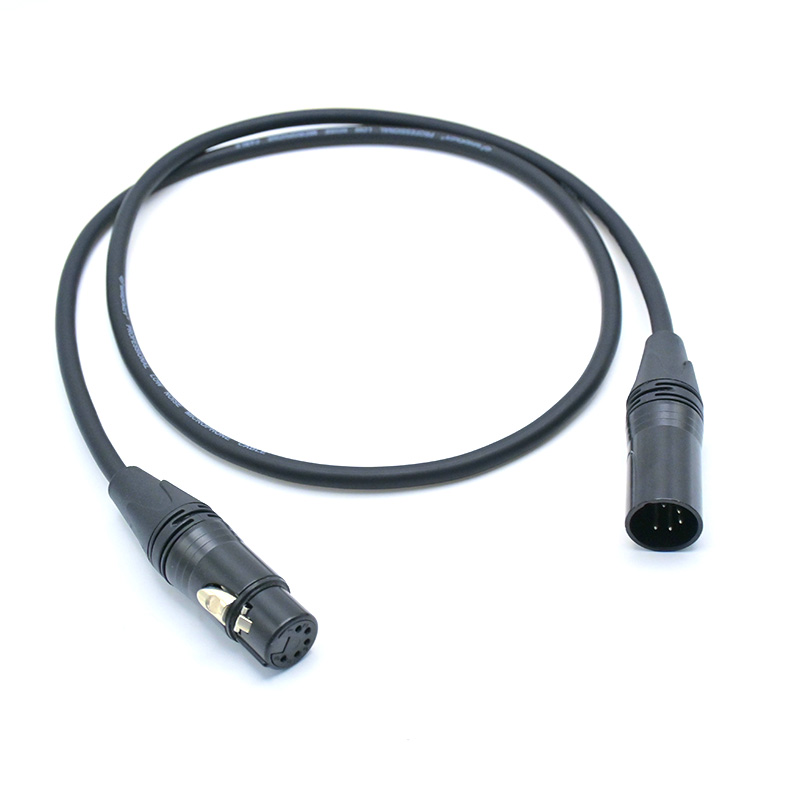
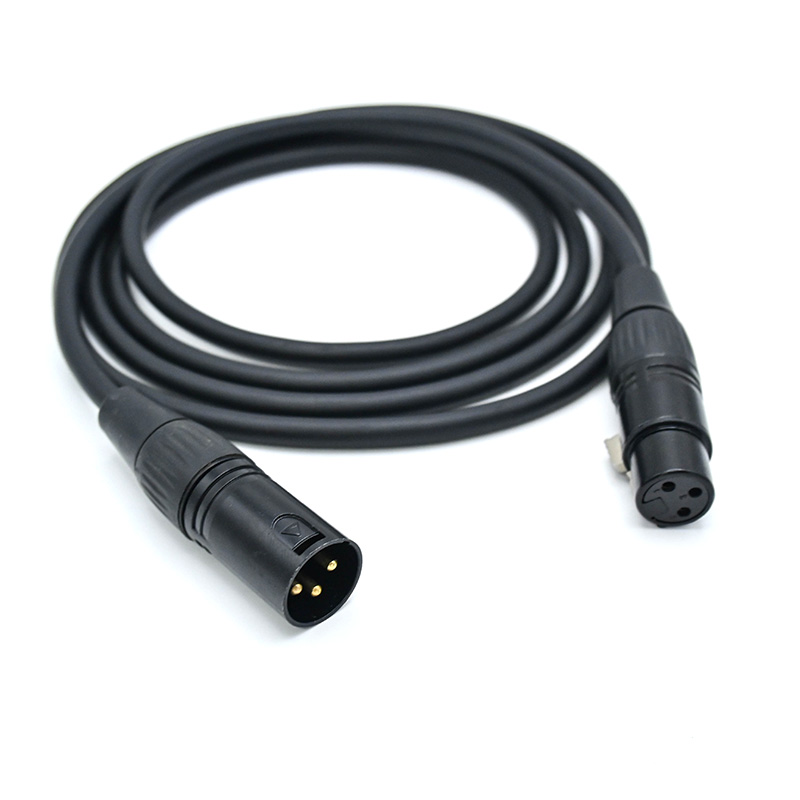
DMX cables and XLR cables look almost identical. However, they are actually different: DMX cables are designed for lighting control, while XLR cables are primarily used for audio and microphones.
In this article, I’ll briefly explain the differences between these two cables and which one you should choose for different applications.
What Is a DMX Cable?
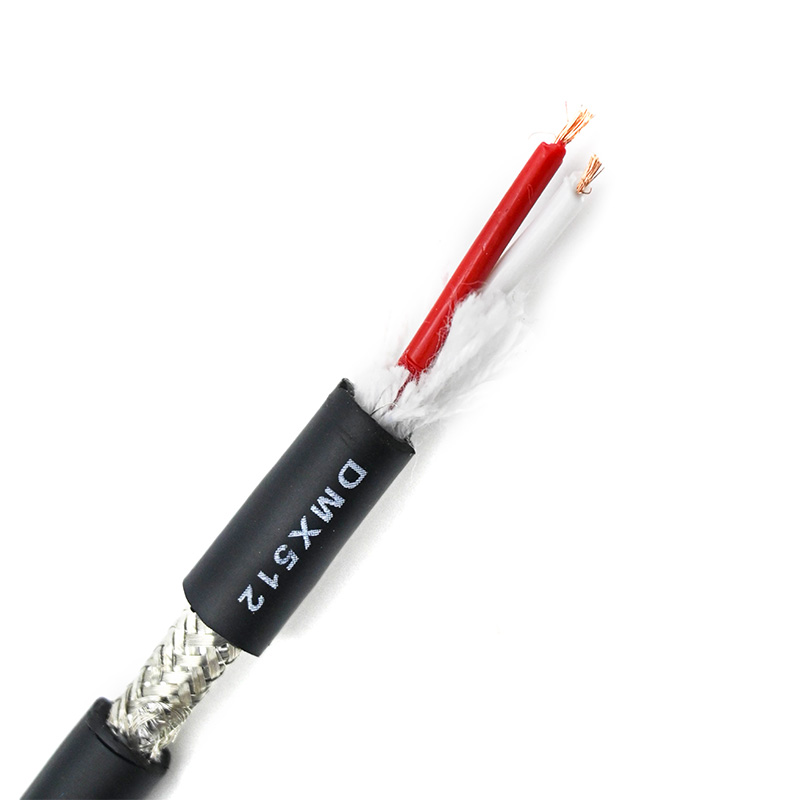
A DMX cable, also known as a DMX 512 cable, is designed in accordance with the ANSI E1.27-1-2006 standard.
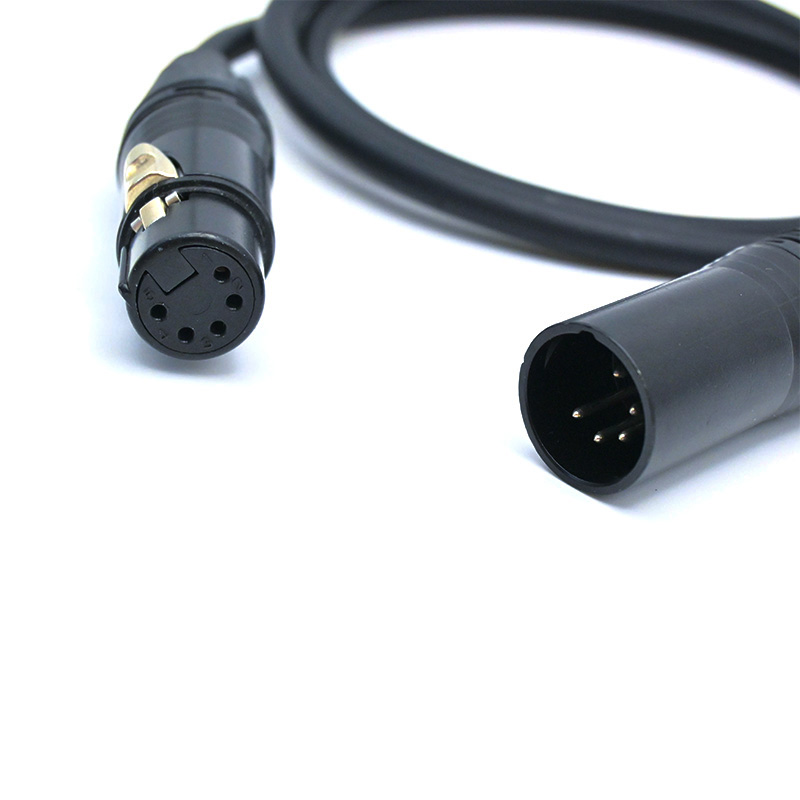
Under this standard, DMX cables are typically 5-pin cables (though many lighting devices now use 3-pin XLR chassis, in which case you’ll need a 3-pin DMX cable).
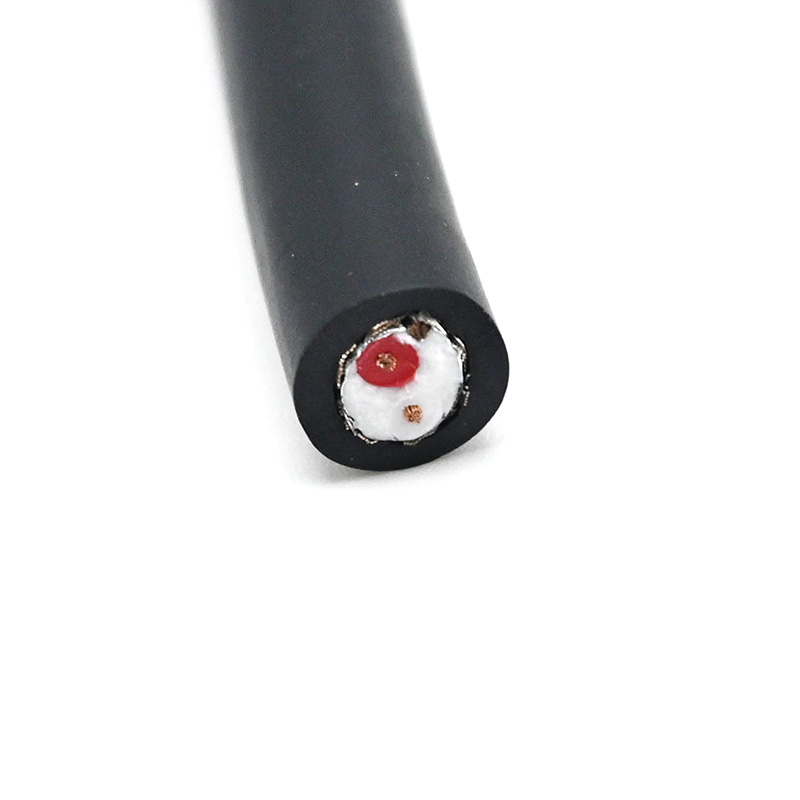
This cable uses a 5-pin (or 3-pin) XLR connector, and the bulk cable is either 1-pair or 2-pair DMX lighting control cable.
Its characteristic impedance is generally between 100 and 120Ω, with 110Ω being the optimal value—a figure derived from the digital audio cable standards set by AES/EBU.
A 110-ohm cable provides a stable signal connection, along with a lightweight design that is easy to install and offers excellent flexibility.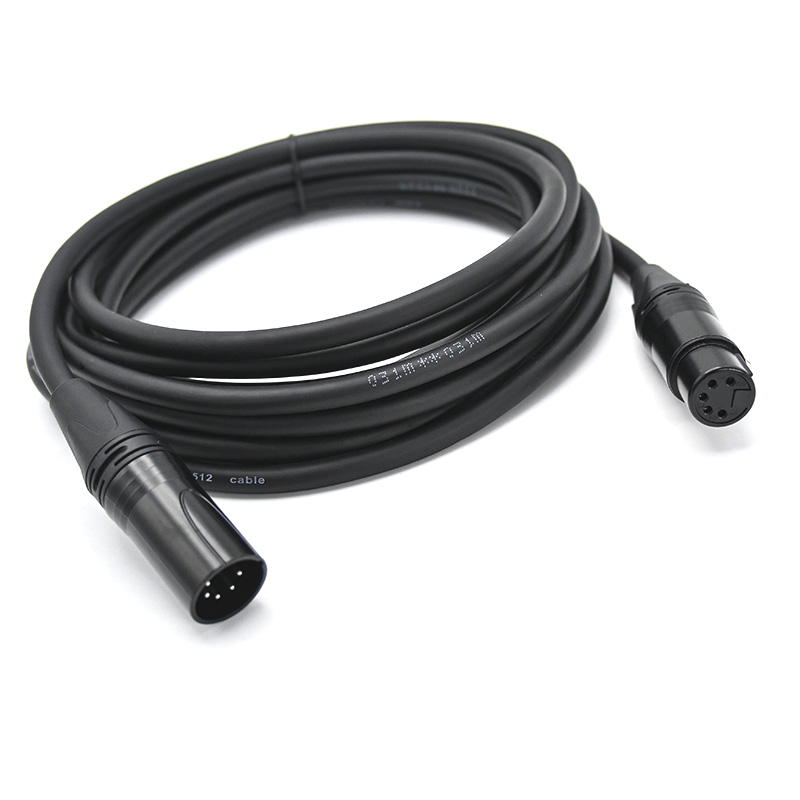
What Is an XLR Cable?
XLR cables are primarily used for microphones.
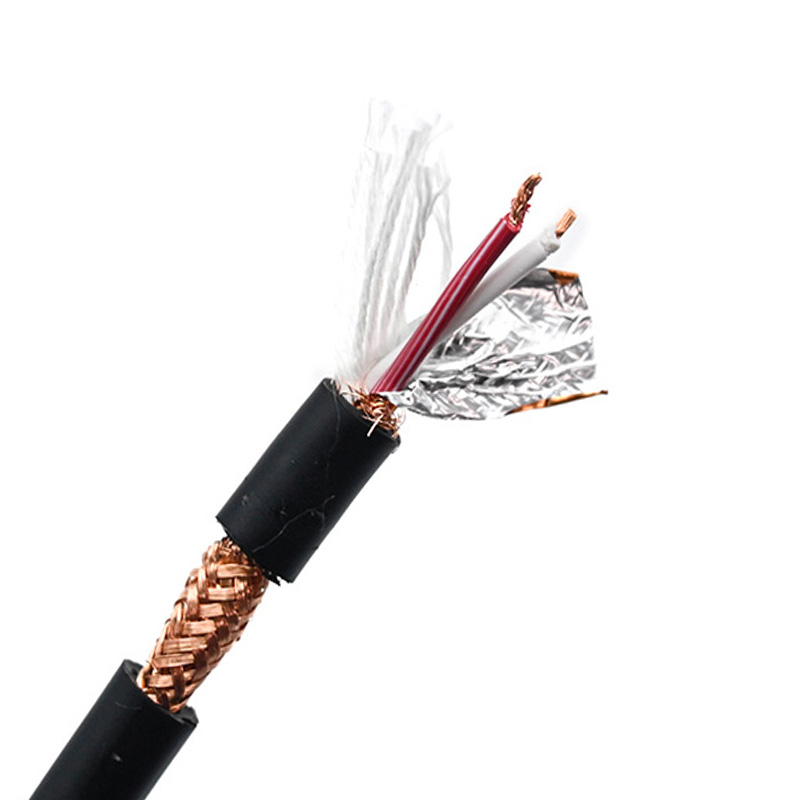
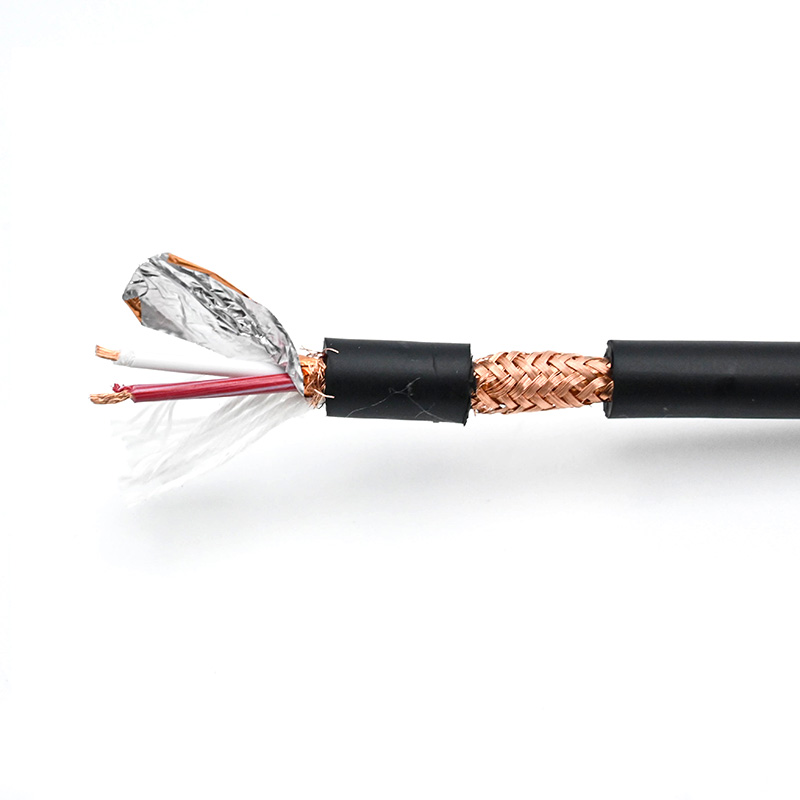
By default, these cables are 3-pin. They use 3-pin XLR connectors and 2-core low-capacitance audio cable as the bulk cable.
This type of cable generally has no specific requirements for characteristic impedance.
Instead, the focus is on low-capacitance twisted-pair shielding to preserve sound quality, with the star-twisted design being a prime example.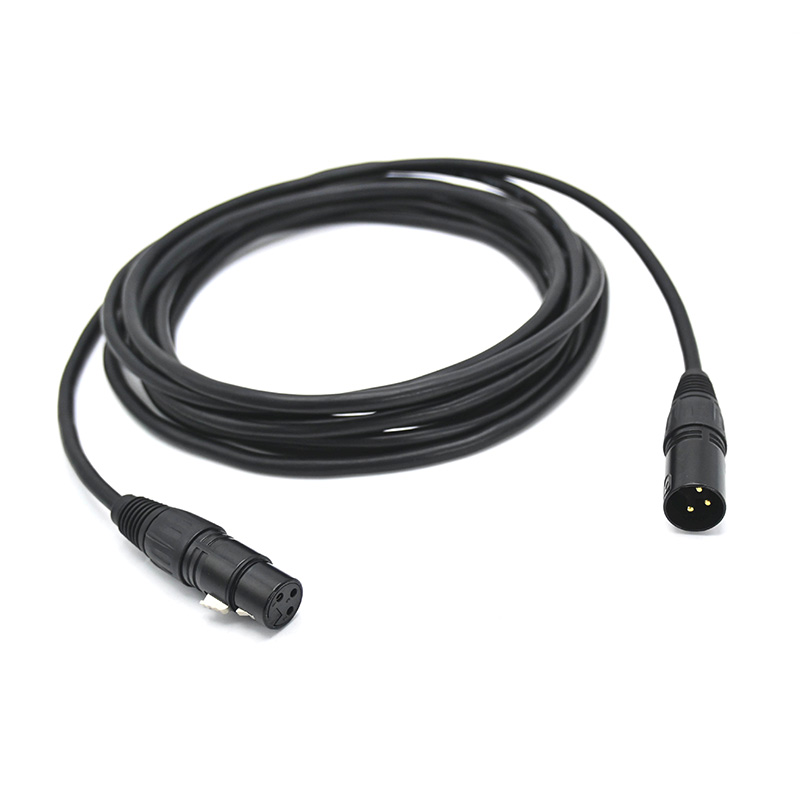
Difference Between DMX Cable and XLR Cable
| Feature | DMX Cable | XLR Cable |
|---|---|---|
| Default Connector | 5-Pin XLR Connector | 3-Pin XLR Connector |
| Bulk Cable | 1-pair / 2-pair DMX lighting control cable | 2-core low-capacitance audio cable |
| Characteristic Impedance | 110Ω | 45–75 ohms |
| Signal | Digital | Analog |
| Cable OD | 6–6.5 mm | 6–6.5 mm |
| Application | LED lighting, stage lighting (e.g., moving head lights) | Microphones |
Can I Use a DMX Cable as an XLR Cable?
Yes.
A 3-pin DMX cable is definitely backward compatible with an XLR cable.
However, an XLR cable may not necessarily be a suitable substitute for a DMX cable. Some low-quality XLR cables can cause signal instability, especially when used over long distances.
Conclusion
Here’s a rough ranking of downward compatibility for audio and lighting cables:
AES/EBU Digital Audio Cable > DMX Cable > XLR Cable
Personally, I recommend purchasing a DMX cable as an alternative to an XLR cable, as it’s compatible with multiple scenarios and offers good value for the price.
AES/EBU cables are the top choice, but they are relatively expensive and are mostly sold by brands such as CANARE, BELDEN, and SUNRISE.
Planning to buy a DMX cable or an XLR cable?
Consider TOURYSTAGE—we offer high-quality audio and lighting cables along with excellent service. Contact us if you want a discount for your bulk order!